
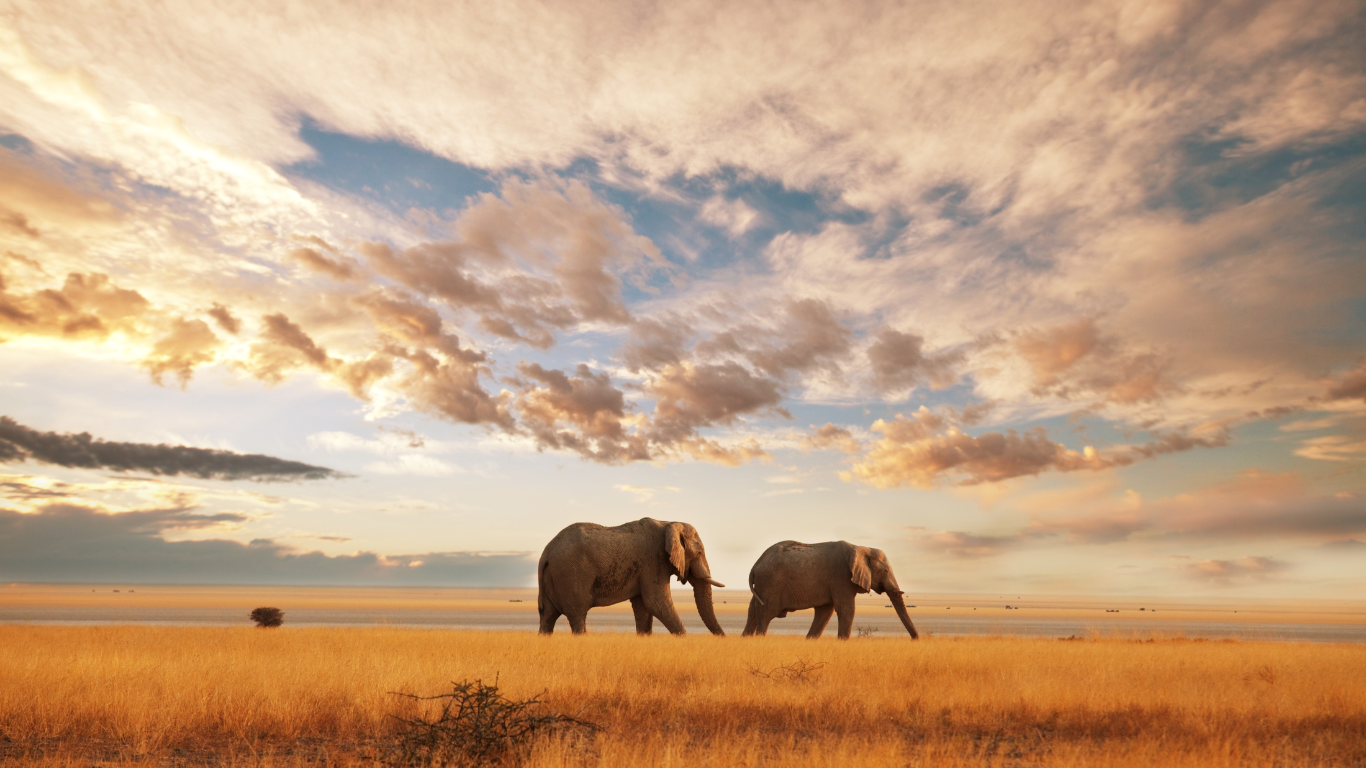

“Is it safe?” is the first question most first-time safari travellers ask, and it deserves a straight answer rather than a brochure smile. After years of running small group safaris across Kenya, Uganda, Rwanda and Tanzania, here is our honest view of the real risks, the imagined ones, and how a well-run safari manages both.
The Animals: Respect, Not Fear
Wild animals are genuinely dangerous and genuinely uninterested in you, in roughly that order. Safari vehicles are treated by wildlife as a single neutral object; incidents involving visitors who follow their guide’s rules are extraordinarily rare. The rules that keep it that way are simple: stay in the vehicle except where your guide explicitly allows, keep limbs inside, keep quiet at sightings, and never feed or approach animals. At lodges and camps, listen to the escort rules after dark; hippos and elephants do wander through unfenced camps, which is part of the magic when managed properly. On gorilla treks and walking safaris you are on foot with armed rangers whose instructions are non-negotiable.
Health: The Predictable Stuff
The health risks that matter are mostly preventable. Visit a travel clinic six to eight weeks before departure for advice on yellow fever vaccination (a certificate is required for entry in several East African countries), routine boosters and malaria prophylaxis. Drink bottled or filtered water, use repellent and sleeves at dusk, and bring personal medication in hand luggage. Good operators carry first-aid kits, and our itineraries always keep evacuation options in mind; comprehensive travel insurance with medical evacuation cover is a booking condition with us, not an option.
Security: Perspective Over Headlines
Tourist circuits in Kenya, Uganda, Rwanda and Tanzania are far removed from the incidents that occasionally make international news, and safari regions rank among the most heavily patrolled rural areas on the continent. Rwanda is regularly rated one of the safest countries in Africa; park areas in all four countries see millions of visitors annually without issue. Sensible city habits apply in Nairobi or Kampala as they would in any large city: use hotel transport at night and keep valuables out of sight. Check your government’s current travel advice before booking and again before departure; we adjust routes on the rare occasions advisories change.
What a Good Operator Does Differently
- Guides born in the regions, who read situations long before guests notice them.
- Well-maintained 4x4s with communications equipment, travelling with a maximum of eight guests.
- Camps and lodges chosen for safety practices, not only for photographs.
- Clear briefings on day one, and honest answers when guests ask exactly this question.
Frequently Asked Questions
Is an African safari safe for families with children?
Yes, with age-appropriate planning: shorter drives, family rooms and lodges with fenced grounds. Note that gorilla trekking has a strict minimum age of 15.
Do I need vaccinations for an East Africa safari?
Consult a travel clinic well in advance; yellow fever certification is required for entry in several countries, and malaria prophylaxis is standard advice for most safari regions.
Are safari camps safe at night?
Yes, when the rules are followed: staff escort guests after dark in unfenced camps, and tents are wildlife-wise in design. Incidents are extremely rare.
Is solo travel on safari safe?
Small group safaris are ideal for solo travellers: you travel with a guide and up to seven companions, and singles join our departures routinely, including many women travelling alone.
What about driving safety?
The largest real risk on any safari is simply road travel. We manage it with experienced drivers, daylight driving, sound vehicles and realistic daily distances.
More questions? Ask us directly, or see how our small group safaris are set up; honest answers before you book are the first safety feature.